
Gold is valuable. But for whom?
Gold creates billions in value. Yet the people at the beginning of the supply chain hardly benefit from it. Instead, they work under precarious conditions, destroy their own livelihoods due to a lack of alternatives, and remain largely excluded from economic participation and influence.
Since 2012, the Earthbeat Foundation has been working to change that. We create economic alternatives, strengthen local value creation, and challenge the structures of an industry whose profits and risks are extremely unevenly distributed.
Because real change does not begin with a clear conscience. But rather where we change systems.
Change is measurable.
We don’t just talk about change. We are creating new economic prospects, strengthening independence, and giving nature space to recover.
150+
People with new income perspectives
3
Mine sites restored
90+
People trained in beekeeping
3
Savings programs funded with 2,000 USD each
25+
Financial literacy training conducted, including access to bank accounts
5
hectares of land restored
Golden Box Challenge · bis 15.02.2027
40 Handys = 1 Goldring
0
von 2.000 Handys gesammelt
Alte Handys stecken voller Gold. Bestell dir eine kostenlose Sammelbox, sammle mit Familie, Freund:innen oder Kolleg:innen und schick sie kostenlos zurück. Für jedes Handy spendet die Telekom an unsere Projekte in Uganda.
Stand: 15.11.2026

THE STRUCTURES BEHIND THE GOLD
Gold is among the most valuable commodities in the world. Yet its wealth is distributed extremely unequally.
More than 25 million people work in artisanal and small-scale mining worldwide. For many, it is the only way to secure their livelihood. They work in dangerous conditions, often without social security, economic alternatives, or the ability to shape their own working conditions. Mercury endangers their health, and mining destroys soils, forests, and bodies of water.
But the real problem extends far beyond the mines.
To this day, colonial power structures, unequal trade relations, and a lack of local value creation characterize the global raw materials trade. While billions are earned with gold worldwide, too little often remains in the mining regions to build long-term prosperity and economic independence.
This is no coincidence. It is a matter of structures. And structures can be changed.
This is exactly where Earthbeat comes in. We connect concrete local economic alternatives with education, political dialogue, and strategic partnerships. Together with people in the mining regions, companies, and political decision-makers, we are working toward a raw materials economy that distributes value creation more fairly and enables genuine participation.
Why we must all act together

Artisanal gold miners
Around 90% of the workforce in gold mining work in artisanal conditions – under precarious circumstances. They produce 300–500 tons of gold annually, which meets 15–25% of global demand. However, occupational safety is often inadequate to catastrophic.

Millions of people affected
Approximately 30 million people are directly and 100 million indirectly involved in gold mining. Modern slavery, exploitation, and corruption are the order of the day. Furthermore, mercury and other toxic substances are causing massive environmental damage, while the exploitation of raw materials is progressing rapidly.

Africa's artisanal mining – a harsh reality
Poverty, conflict, and economic crises are driving more and more people into artisanal mining. Particularly affected: children working in poor conditions. Added to this are a lack of hygiene, medical care, drug abuse, alcoholism, and serious illnesses.
OUR FOCUS: BUSIA, UGANDA
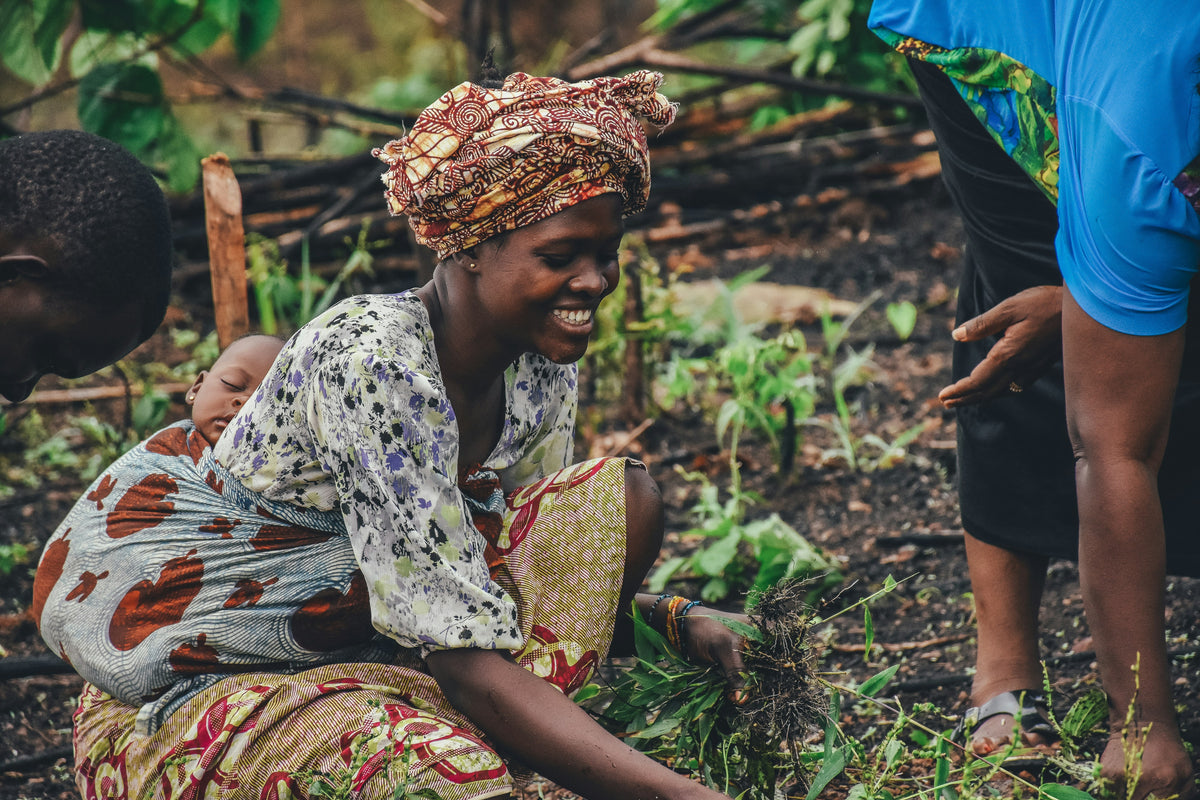
In Busia, Uganda, where gold mining is the only source of income for many people, we are building economic alternatives together with local partners.
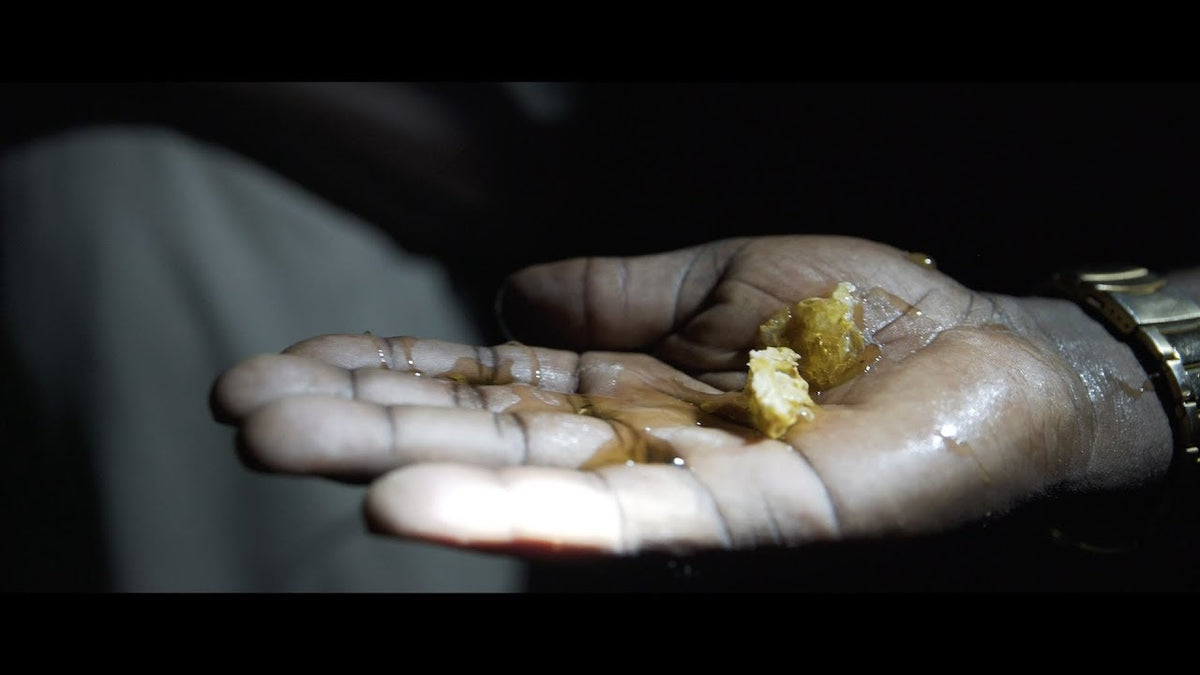
With Heartbeat Honey, an independent social enterprise focused on beekeeping is being created. From training and processing to the sale of honey and beeswax, the entire value chain is to take place locally. This creates new income opportunities, entrepreneurial prospects, and greater economic independence.
Because our goal is not to support people permanently. But to create structures that function long-term without us.

Heartbeat Uganda
Heartbeat Uganda
The "Honey Hub" serves as the operational center for our efforts in Busia: Here, participants undergo a structured training program that combines practical beekeeping skills with targeted financial education, ranging from bee care and honey processing to independent marketing. Children and young people are also actively involved. With their own beehives, they generate income that directly funds their schooling, thereby breaking the cycle of intergenerational poverty at an early stage. In this way, a single training center evolves into a sustainable local infrastructure that has an impact far beyond beekeeping itself.
World Gold Day
World Gold Day
World Gold Day reveals the reality behind the gold resource that is so significant to our society. Very few people are aware of the actual journey gold takes to end up in their jewelry or smartphones. World Gold Day invites experts, businesses, policymakers, and consumers to discuss the responsible use of gold together and identify solutions for how this raw material can create a positive impact rather than exploitation in the future.
Circular Economy
Circular Economy
For many raw materials, more recycling automatically means less mining. With gold, it is different: gold is not just a material, but also a global currency and investment. Even if the recycling rate increases, this does not automatically mean that less gold is mined. Mining continues – often under conditions that exploit people and nature. pursues a holistic approach. We bring gold back into the cycle instead of letting it lie unused in drawers. At the same time, we are working to make existing mining more responsible and to strengthen affected communities through alternative sources of income.
Our supporters


How many lives does a carat cost?
In "Wie viele Leben kostet ein Karat" (How many lives does one carat cost), Guya Merkle, founder of the Earthbeat Foundation, combines personal experience with a well-founded examination of the structural challenges of the gold industry. With every purchase via the following link, she donates her entire author's margin to the Earthbeat Foundation and its local projects.
Donations and Partnerships
Partnerships
Whether you are a company, institution, or individual: We invite you to join us in developing viable, sustainable income alternatives for communities in gold mining regions such as Busia, Uganda. For companies and industry, our cooperation ranges from project partnerships to consulting on sourcing gold from ethically responsible operations.